
The short answer
Include real lessons, play and care, and the people who lead your school. Show what a normal day feels like, rather than a tour of the building. Families want to picture their child there.
Start with your story
Before filming, decide what you want families to feel. Is your school nurturing, ambitious, creative, or rooted in its community? Ask a few parents what they would say, as their answers are often the clearest.
That one idea shapes every shot. It also stops the film becoming a list of rooms and resources.
Parents decide with their hearts first and their heads second. So the film should show warmth before facts. Then the facts, such as results or facilities, land better because families already feel something.
Write the idea down in one sentence, and share it with staff before the filming day.
Scenes worth filming
- Lessons in action. Pupils engaged in learning, not posed for the camera.
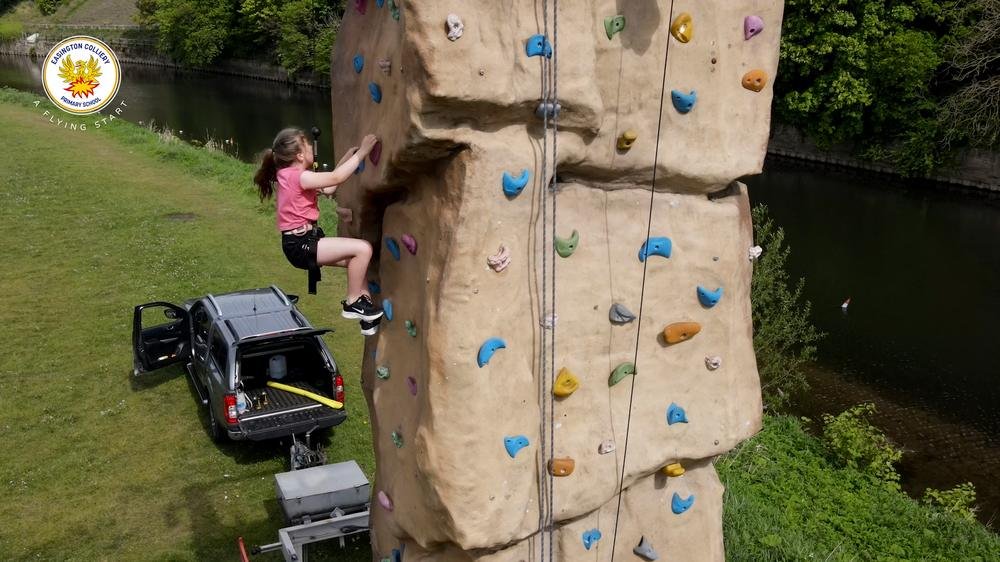
- Play and outdoor learning. The playground, field, forest school or trips.
- Care and support. Staff helping, listening and encouraging.
- Special places. The library, music room, garden or anything families remember.
- The start and end of the day. Arrivals and home time show care and routine.
- Your setting from above. As a CAA-licensed drone operator, I can show your grounds and community.
- Early years. Nursery and reception families look for their stage, so give it a clear moment.
The people
Your head teacher sets the tone, even in a music-led film. A brief moment of them with pupils says a great deal. It shows families who leads the school, and how they lead it.
In a spoken-word film, staff explain your approach in their own words. Parents and pupils can add their view too, with consent.
Choose people who are comfortable on camera. A natural, short answer works better than a long, rehearsed one. I guide everyone through it on the day, so nobody needs to prepare a script.
Office staff, lunchtime staff and caretakers also say a great deal about a school's warmth. A brief moment with them adds a lot.
Showing what makes you different
Every school has lessons and a playground. So think about what families cannot find anywhere else nearby.
It might be a farm, a choir, a strong church link, or a special approach to reading. Give that one thing a clear moment in the film.
Pupils often know what makes their school different. Ask your school council what they would show a new family, and listen closely.
Then check the idea against your admissions questions. If families often ask about it, it belongs in the film.
Planning the shot list
At the online production meeting, I go through your timetable with you. Then I match the scenes you want to the lessons running that day.
It helps to pick a day with variety. A mix of practical lessons, outdoor time and quieter moments gives the edit more to work with.
Tell staff in advance which lessons I will visit. However, ask them to teach as normal, rather than plan something special. Real lessons nearly always look better than staged ones.
Also share your consent list before the day. I follow it closely, and your staff help me keep pupils without consent out of shot. My safeguarding page explains how.
What to leave out
Empty rooms rarely help, however new they are. A busy classroom always tells more than a tidy one.
Avoid trying to show everything. A focused film with a clear message is easier to remember. My guide on how long a school film should be explains why.
Finally, leave out anything you would not want families to see in a year's time. A good film stays on your website for years. So it is worth choosing scenes that will still feel true next year.
Clutter on walls and desks can also distract, so a quick tidy of key rooms helps.
Getting more from the day
One filming day can give you more than a single film. Subject videos of 30 to 45 seconds can be filmed alongside the main film.
Screen photos can be included too, taken from the footage. They are useful for your website, newsletters and prospectus.
Short vertical versions for Instagram and TikTok are also available on request. My guide to getting more from your school film has other ideas.
Questions schools ask
Do staff have to speak on camera?
No. A music-led film tells your story through the life of the school, with no interviews needed.
Can you film with a drone?
Yes. I am licensed by the Civil Aviation Authority, and every flight is planned safely and legally.
Who decides what goes in the film?
I plan it with you at the production meeting. Your school then watches and approves the film before it is shared.
What happens to pupils without consent?
I follow your consent list, and your staff help keep those pupils out of shot. Anything filmed by accident is removed or blurred.
Should we include results and Ofsted grades?
A short line on screen can work. However, most families respond more to warmth and daily life than to figures.
Ready to show families what makes your school special? Talk to me, and I will plan the film with you.
Book a free consultationSee prices